
Blog
How to Choose the Right Kitchen Sink in Singapore

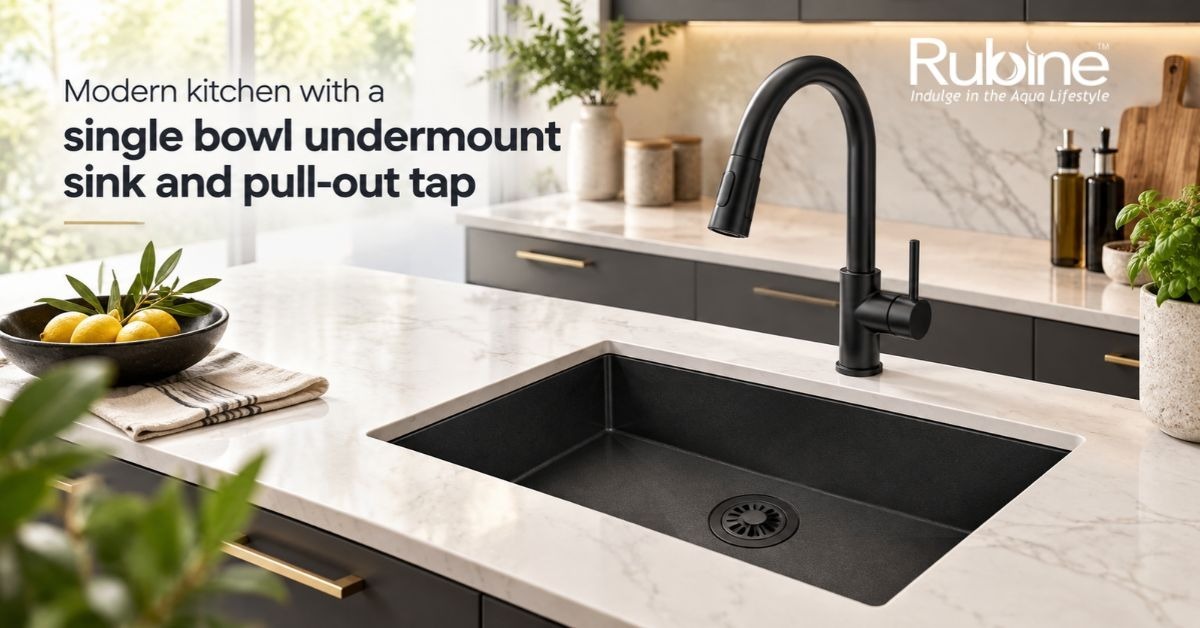
The kitchen sink is the hardest-working fixture in a Singapore home. Woks, rice pots, chopping boards and the daily dishes all pass through it, often several times a day. It is also one of the hardest things to change later. Once an undermount sink is fixed below a quartz or sintered stone countertop, replacing it usually means cutting stone, so it pays to choose well the first time.
This guide walks you through installation types, bowl layouts, materials, sizing for HDB and condo cabinets, replacement costs in 2026 and the mistakes homeowners regret most. If you already know what you are looking for, you can compare ready options in our kitchen sink Singapore range.
Why Choosing a Kitchen Sink in Singapore Is Different
Most buying guides are written for large Western kitchens. Local homes have a few conditions of their own that change the decision:
- Compact layouts: many HDB kitchens have a single run of base cabinets around 600mm deep, so every centimetre of sink width has to earn its place.
- Wok-style cooking: large woks, steamers and claypots need a wide, deep bowl rather than two small ones.
- Humidity: warm, damp air encourages condensation under the sink, and lower-grade steel can develop rust spots over time.
- BTO buyers choose their own: HDB’s Optional Component Scheme covers internal doors, flooring and bathroom sanitary fittings, but not the kitchen cabinets, sink or tap. New flat owners pick the kitchen sink themselves, through their contractor or a supplier.
Step 1: Choose Your Installation Type
How the sink sits in the countertop affects the look, the cleaning routine, the price and which countertops you can use.
Undermount Sinks
An undermount sink is fixed beneath the countertop, so there is no rim on top. You can wipe crumbs and water straight from the counter into the bowl, which makes daily cleaning easier. It needs a solid, water-resistant countertop such as quartz, granite, sintered stone or solid surface, and a precise cutout. This is the most popular choice in new Singapore renovations.
Top-Mount (Inset or Drop-In) Sinks
A top-mount sink drops into a cutout from above and rests on its own rim. It works with almost any countertop, including laminate, costs less to install and is far easier to replace later. The trade-off is the rim, where food scraps and grime can collect if it is not wiped regularly.
Flush-Mount and Workstation Sinks
A flush-mount sink sits level with the countertop for a seamless finish, but needs a high-precision cutout. Workstation sinks add built-in ledges that hold a cutting board, colander or drying rack, turning the sink into a prep station. They usually require a flush or zero-reveal installation so the accessories slide properly.
| Feature | Undermount | Top-Mount |
|---|---|---|
| Look | Clean, seamless and modern | Visible rim, more traditional |
| Daily cleaning | Wipe straight into the bowl | Rim needs regular wiping |
| Countertop | Quartz, granite, sintered stone, solid surface | Works with almost any countertop, including laminate |
| Installation | Precise cutout, fixed from below | Simple drop-in from above |
| Replacing later | Difficult, may involve stone work | Easy if the new sink fits the cutout |
Step 2: Pick the Right Bowl Layout
Single Bowl
A single large bowl is the most practical option for compact HDB kitchens. Woks, baking trays and big pots fit without a divider getting in the way, and you get more usable space from a narrow cabinet.
1½ and 1¾ Bowls
These layouts pair a main bowl with a smaller secondary bowl. The small bowl is handy for rinsing vegetables, soaking cutlery or draining food while the main bowl stays free. They are a good middle ground when you want some separation without shrinking the main bowl too much.
Double Bowl
Two equal bowls let you wash on one side and rinse on the other, which suits larger families who cook daily. Only choose a double bowl if your cabinet run is wide enough. Below roughly 800mm overall width, each bowl becomes too small to fit a wok comfortably.
Sink with Drainer
A drainer is a grooved, sloping section beside the bowl where washed dishes can drip dry and the water runs back into the sink. It is popular in Singapore homes without a dishwasher and keeps the countertop dry, but it takes up extra length, so check your available run first.
Step 3: Compare Kitchen Sink Materials
SUS304 Stainless Steel (18/8)
Grade 304 stainless steel, also called 18/8 because it contains about 18% chromium and 8% nickel, is the standard for a reason. It is hygienic, food-safe, resists rust in humid conditions and handles hot pots without complaint. Avoid unnamed grades or 201 steel, which is cheaper but more prone to rust spots. Look for sound-deadening pads and an anti-condensation coating underneath.
Granite Composite (Stone)
Granite composite sinks are made from crushed stone bound with resin. They are highly resistant to scratches and heat, feel solid, and come in matte colours such as black, grey and white that suit modern kitchens. Because the colour runs through the material, it does not wear off. Very light shades can show stains from turmeric, curry or coffee, and a heavy pot dropped from height can chip the surface.
Ceramic and Porcelain
Ceramic sinks have a glossy, easy-to-clean surface and a classic look. They are heavy, need strong cabinet support, and can chip or crack under a dropped cast-iron wok, which is why they are less common in busy Singapore kitchens.
Coloured Finishes: PVD and Nano Coatings
If you want a gunmetal, titanium, black or champagne look in steel, PVD (physical vapour deposition) finishes bond colour to the surface and hold up far better than painted coatings. Nano coatings add a smooth layer that resists fingerprints and water marks. Natural brushed steel still ages most gracefully under heavy daily use.
| Material | Scratch Resistance | Heat Resistance | Noise | Upkeep | Best For |
|---|---|---|---|---|---|
| SUS304 stainless steel | Good, fine scratches blend in over time | Excellent | Needs sound pads | Easy | Heavy daily cooking |
| Granite composite | Excellent | Excellent | Naturally quiet | Easy, avoid harsh chemicals | Design-led kitchens |
| Ceramic / porcelain | Good, but can chip | Good | Quiet | Very easy | Light-use, classic kitchens |
Step 4: Get the Size Right for HDB and Condo Kitchens
Sizing is where most sink mistakes happen. Before you buy:
- Measure the inside width of the sink cabinet, not just the countertop. The sink’s overall width should leave at least 50mm of spare space.
- Check the countertop depth. Most local kitchens are around 600mm deep, which comfortably fits a sink up to about 450 to 500mm front to back.
- Aim for a bowl depth of 200 to 250mm. Anything shallower splashes, while very deep bowls can be tiring for shorter users.
- Account for what lives under the sink: the waste trap, water pipes, a water filter or a dishwasher connection all need room.
- Confirm the tap position, on the sink deck or on the countertop, before the cutout is made.
Step 5: Check the Build Quality Details
Two sinks can look identical in photos and perform very differently. These details separate a sink that lasts from one you replace in five years:
- Handmade vs pressed: handmade sinks are welded from sheet steel, with uniform thickness, deeper bowls and tighter corners. Pressed sinks are stamped from one sheet, cost less and are usually shallower.
- Steel thickness: a quality bowl is typically around 1.0 to 1.5mm thick. Be wary of claims of 3 to 5mm, which usually refer only to the rim.
- Sound and heat insulation: rubber pads and a coating underneath reduce drumming noise and stop condensation dripping into your cabinet.
- Corner radius: zero-radius corners look sharp and modern, while rounded R10 corners are easier to clean.
- Waste and strainer: a sturdy basket strainer and a well-positioned drain help water clear quickly without pooling.
Step 6: Match the Sink with the Right Tap
Choose the sink first, then the tap, because the tap hole on the sink or countertop decides what will fit. A high-arc spout clears tall pots, and a hose you can pull out lets you rinse every corner of a large bowl. If you are pairing the two, look at a pull out kitchen tap Singapore option that reaches the full width of your sink.
Planning hot water at the kitchen sink? Decide during renovation, before the carpentry goes in. Many homes run a line from a storage water heater Singapore setup that already serves the bathrooms, while homes with town gas can use a gas water heater Singapore unit. If you are still comparing options, it helps to see every type of water heater side by side before your plumber plans the pipes.
How Much Does It Cost to Replace a Kitchen Sink in Singapore?
Costs depend on the sink you choose and how much work the installation needs. Typical 2026 market ranges look like this:
| Item | Typical Price Range (SGD) |
|---|---|
| Entry-level sink | S$60 to S$250 |
| Quality SUS304 or granite composite sink from an established brand | S$300 to S$700 and above |
| Plumber to swap a sink into an existing cutout | S$150 to S$280 |
| Kitchen tap replacement or new mixer installation | S$120 to S$240 |
| Countertop recutting or switching to undermount | Quoted separately, depends on the stone |
Replacing a top-mount sink with one of the same size is the cheapest job. Moving from top-mount to undermount, or changing the sink size, adds countertop work and can cost considerably more. Always ask for an itemised quote that separates the sink, labour, tap and any stone work.
Do You Need a Plumber to Replace a Kitchen Sink?
A confident DIYer can swap a top-mount sink into the same cutout. For undermount sinks, new cutouts or anything involving the water supply, hire a professional. Any alteration to water supply pipes should be done by a PUB-licensed plumber. A slow leak under a sink can quietly damage your cabinet, so a proper seal and connection are worth paying for.
Where to Buy a Kitchen Sink in Singapore
Photos rarely show thickness, finish or bowl depth accurately, so visit a showroom if you can:
- Press on the bowl and tap it with a knuckle. A solid, dull sound means good thickness and insulation.
- Bring your cabinet measurements and countertop material with you.
- Check the warranty and whether spare strainers and accessories are stocked locally.
- Choose the sink and tap together so the tap hole, finish and reach all match.
Common Kitchen Sink Mistakes Singapore Homeowners Regret
- Squeezing a double bowl into a narrow cabinet, leaving two bowls too small for a wok.
- Choosing a shallow sink that splashes water across the countertop.
- Buying on trends, such as sinks with built-in waterfall taps or many hidden crevices that trap grime and mould.
- Picking a very light granite colour for a kitchen that cooks curry and turmeric-heavy dishes.
- Forgetting the space needed under the sink for pipes, filters and storage.
- Skipping sound pads, then living with a noisy, drumming steel sink.
How to Care for Your Kitchen Sink
- Rinse and wipe the sink dry after use to prevent water marks.
- Clean stainless steel along the grain with mild detergent and a soft cloth. Avoid steel wool and bleach.
- Lift stubborn stains on granite composite with a baking soda paste rather than harsh chemicals.
- Clear the basket strainer regularly and never pour cooking oil down the drain.
- For undermount sinks, check the sealant line once a year and reseal if it starts to crack.
Planning the Rest of Your Renovation
Many homeowners update the kitchen and bathrooms at the same time, which saves on plumbing work. If the bathrooms are on your list too, compare a rainshower set Singapore for a better daily shower, a wall hung toilet bowl for easier floor cleaning and a bidet toilet for added hygiene. For bathrooms that only need hot water on demand, an instant water heater Singapore model is compact and quick to install.
Final Thoughts
The right kitchen sink comes down to four decisions: installation type, bowl layout, material and size. Measure your cabinet first, match the sink to how you actually cook, and check the build quality details that photos do not show. Get those right, and your sink will work quietly and reliably for years.
Frequently Asked Questions
What are the best kitchen sink options in Singapore?
For most homes, a single-bowl undermount sink in SUS304 stainless steel is the most practical choice. Granite composite suits design-led kitchens, and a sink with a drainer suits homes without a dishwasher.
How much does it cost to replace a kitchen sink in Singapore?
Expect about S$150 to S$280 in labour for a like-for-like swap, plus the cost of the sink. Changing the size or switching to undermount adds countertop work.
What type of kitchen sink is best?
It depends on your space and cooking. Compact kitchens and wok cooking favour a large single bowl, while bigger families may prefer a 1¾ or double bowl.
What are the pros and cons of top mount and undermount sinks in Singapore?
Undermount sinks look seamless and are easier to wipe clean, but cost more and are hard to replace. Top-mount sinks are cheaper and easier to change, but the rim collects grime.
Which brand of kitchen sink is best?
Focus on the specifications rather than the name. Look for SUS304 steel, a thick handmade bowl, sound pads, a clear warranty and local after-sales support.
What type of kitchen sink lasts the longest?
A well-made SUS304 stainless steel sink or a quality granite composite sink can last well over a decade with basic care.
Do I need a plumber to replace a kitchen sink?
For undermount sinks, new cutouts or pipe changes, yes. A simple top-mount swap into the same cutout can be done by a handy homeowner.
Where is the best place to buy kitchen sinks?
A showroom is best, so you can check the thickness, finish and bowl depth in person. Bring your cabinet measurements.
How much will a plumber charge to change a kitchen sink?
Most plumbers in Singapore charge around S$150 to S$280 for a straightforward sink swap. Urgent visits and pipe changes cost extra.
Which type of kitchen sink is better, porcelain or stainless steel?
Stainless steel is better for heavy daily cooking because it will not chip or crack. Porcelain looks classic but can chip under heavy pots.
What type of kitchen sink will not scratch?
No sink is completely scratch-proof. Granite composite resists scratches best, and textured or brushed stainless steel hides fine marks well.
Which sink material is best?
SUS304 stainless steel offers the best balance of durability, hygiene and price. Granite composite is the best choice if appearance and scratch resistance come first.